What happened
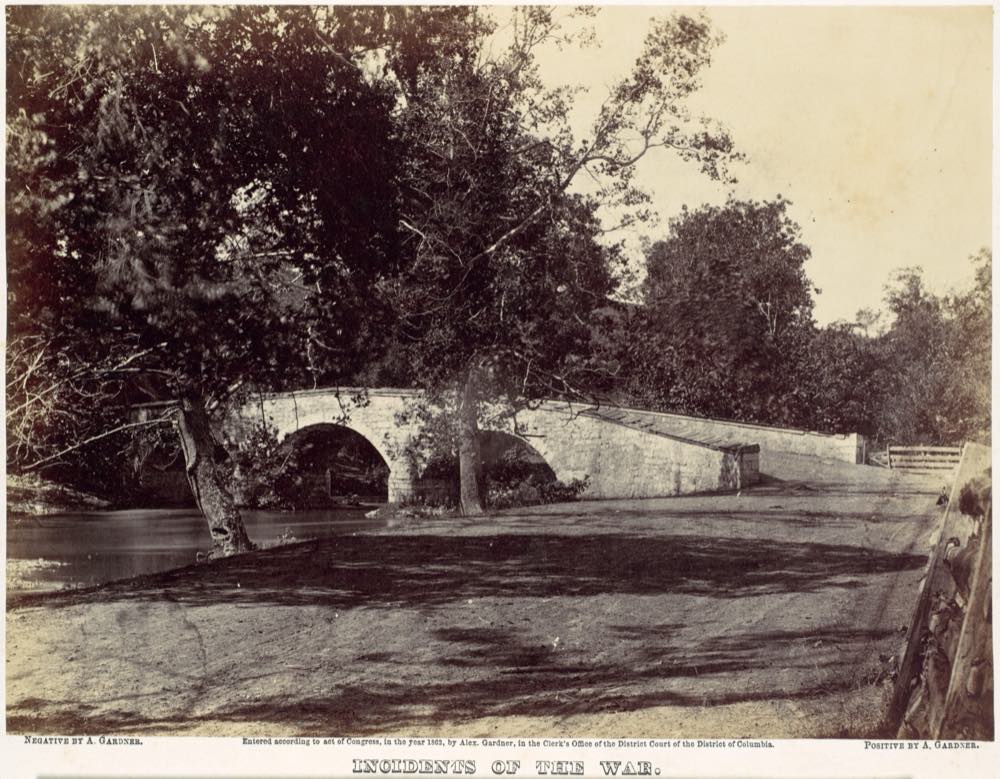
Robert E. Lee's first invasion of the North culminated along Antietam Creek near Sharpsburg on September 17, 1862. About 22,700 soldiers were killed, wounded, or missing, making it the bloodiest single day in American military history. Fighting raged through the Cornfield, the Sunken Road, and around the lower bridge later called Burnside's Bridge. Lee withdrew across the Potomac afterward. The strategic Union success gave Lincoln the opportunity to issue the preliminary Emancipation Proclamation five days later, fundamentally changing the war's political meaning and making foreign recognition of the Confederacy more difficult. Alexander Gardner's battlefield photographs later confronted northern audiences with unusually direct images of the dead.
Going Deeper
McClellan fought Antietam with a copy of Lee's operational plans in his hands, the lost Special Orders 191 found wrapped around three cigars, and still attacked piecemeal and left a large part of his army unused, which is why the battle sits in the staff-college literature as the case study in command caution and why Lincoln removed him seven weeks later. The photographs had their own career: Mathew Brady's New York gallery showed Gardner's and Gibson's plates as 'The Dead of Antietam,' and the New York Times wrote that he had all but laid the dead in readers' dooryards. The battlefield's own commemoration is studied as an early case of a government building meaning into ground, from the national cemetery and the reburials to the long exclusion of Confederate dead from it. Clara Barton worked the field while it was still under fire, and the reputation she built there fed into the American Red Cross she founded in 1881.
Three new battles every day. Tap the globe where each one happened.
Play today's battles