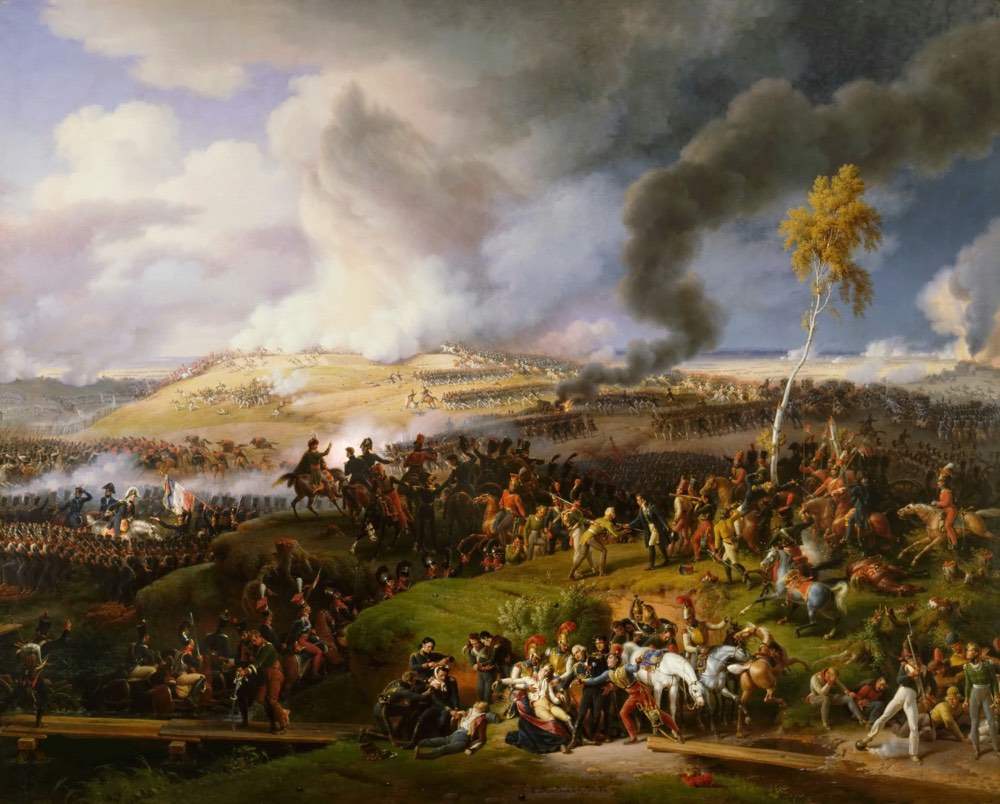
What happened
On September 7, 1812, Napoleon's invasion of Russia met Kutuzov's main army near Borodino west of Moscow. Around a quarter-million troops fought in a day of repeated assaults on positions such as the Bagration fleches and the Great Redoubt, producing roughly 70,000 or more casualties. The French captured the main Russian positions, but Kutuzov withdrew with much of his army intact. Napoleon entered Moscow about a week later, yet the city did not produce the political settlement he expected. His eventual retreat from Russia devastated the Grande Armee. Borodino became central to Russian memory of the invasion and to Tolstoy's War and Peace.
Going Deeper
Both sides claimed Borodino and both needed to: Napoleon required a victory to justify the march to Moscow, and Kutuzov reported one to the Tsar before withdrawing, which is one reason the Russian commander's reputation was substantially built after the fact rather than earned on the day. Tolstoy then rewrote the battle for everyone, and the chapters in War and Peace are an argument against the whole idea that generals direct events, which historians have spent a century and a half both using and objecting to. The field became a permanent memorial landscape, with monuments from 1839, an enormous centenary commemoration in 1912, and a second life in 1941 when Soviet propaganda invoked it as German troops fought across the same ground. Excavation there continues to turn up the dead of both campaigns from the same ground.
Three new battles every day. Tap the globe where each one happened.
Play today's battles