What happened
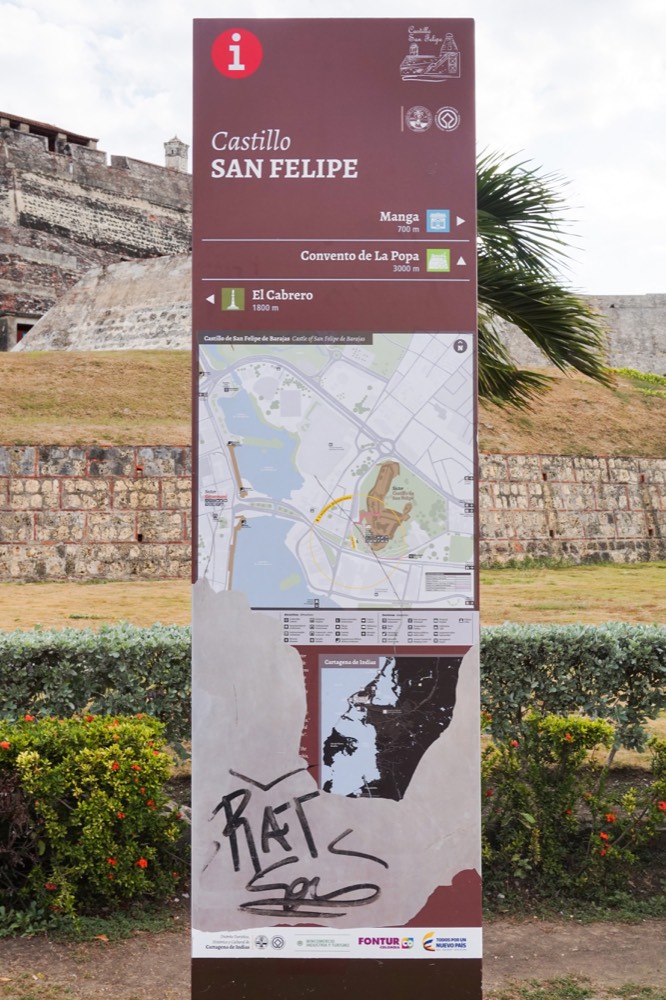
The largest amphibious operation mounted before the twentieth century failed in front of a Spanish fort defended by a commander who had already lost an eye, an arm and a leg in earlier wars. Vernon's fleet forced the harbour entrance and landed an army that included colonial American troops, then spent weeks reducing outworks before throwing a night assault at the hill fort of San Felipe de Barajas, where the scaling ladders proved too short for the walls and the attack broke apart under fire at dawn. Fever did the rest: the expedition lost the overwhelming majority of its dead to disease, not combat, and sailed away in May. London had been so confident that medals celebrating the victory were struck before the outcome was known. One of the colonial officers, Lawrence Washington, went home and named his Virginia estate after his admiral.
Going Deeper
The premature victory medals survive in numismatic collections and get taught as an object lesson in propaganda outrunning events, some of them showing Blas de Lezo kneeling in surrender to a man he had just beaten. The memory of the siege is wildly asymmetric: central to Spanish and Colombian national narrative, with statues, anniversaries, and a bitter 2014 argument in Madrid over where to put one, and close to invisible in British popular history, where the War of Jenkins' Ear survives mainly as a comic name. Historians debate the weighting between disease, the strength of the fortifications, and the open contempt between Vernon and his land commander Wentworth, which paralyzed the operation at its decisive moment. The American colonial regiment raised for the campaign came home shattered, and the experience fed into colonial grievance about how such troops were used and counted.
Three new battles every day. Tap the globe where each one happened.
Play today's battles