What happened
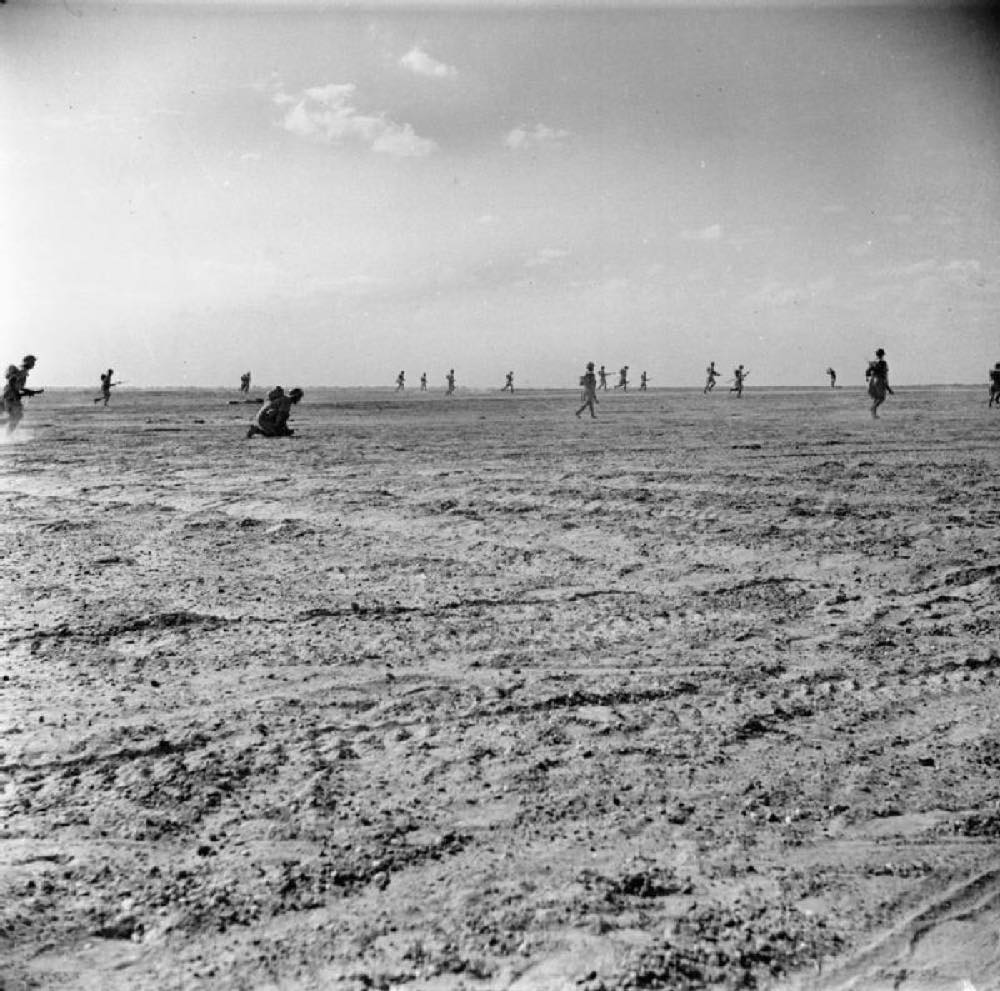
At El Alamein in October 1942, Bernard Montgomery's Eighth Army attacked Axis defenses in the narrow corridor between the Mediterranean coast and the Qattara Depression. Nearly two weeks of attritional fighting through dense minefields and prepared positions eventually forced the Axis army to retreat west. The victory removed the immediate threat to Egypt and the Suez Canal. Combined with the Allied landings in French North Africa in November, it put Axis forces in North Africa under pressure from both east and west. Churchill's later line about having 'a victory' before Alamein and 'a defeat' after it was memorable rhetoric, not a literal description of Britain's wartime record.
Going Deeper
Churchill's verdict that Alamein divided defeat from victory - a line he hedged himself, prefacing it with 'It may almost be said' - built the battle's myth, and historians have been auditing it since: the October battle was preceded by the often-forgotten First Alamein and Alam Halfa, which arguably did the real stopping of Rommel, and by the time Montgomery attacked he held crushing superiority in men, tanks, and above all supply, with Ultra intelligence reading Axis convoy schedules. The Montgomery-versus-Auchinleck credit fight remains one of British military history's nastiest. Scholars also resist the theater's inflation: North Africa was a sideshow beside the Eastern Front, decisive mainly for Mediterranean logistics and morale. The battlefield itself remains dangerous - uncleared minefields from the 'Devil's Gardens' still close large tracts of the desert eighty years on.
Three new battles every day. Tap the globe where each one happened.
Play today's battles