What happened
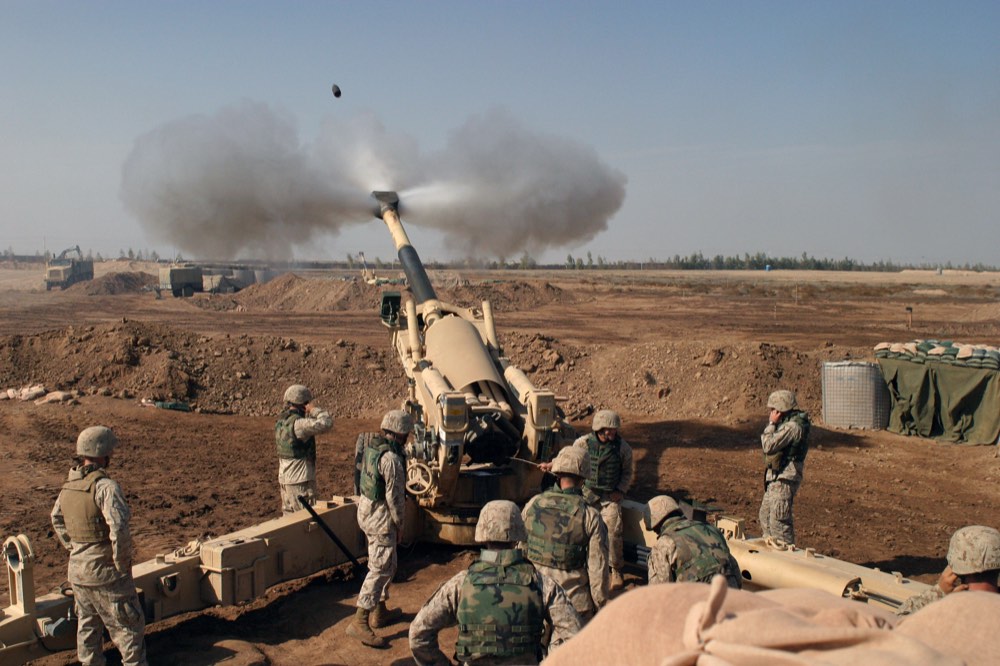
Operation Al Fajr, commonly called the Second Battle of Fallujah, began in November 2004 when U.S. and Iraqi forces attacked insurgent positions in the city, with British units holding a cordon outside it. Most civilians had left beforehand, while several thousand insurgents had prepared houses, streets, and defensive positions with mines, improvised explosives, and fortified firing points. The heaviest fighting lasted through November, though clearing and security operations continued afterward. U.S. casualty figures vary by whether sources count only the assault force, the wider operation, or the surrounding Anbar fighting; Marine Corps historical summaries list dozens killed and hundreds wounded. The battle became one of the defining urban engagements of the Iraq War and heavily influenced later U.S. urban-combat training.
Going Deeper
Counting is the persistent problem here, since the American figures vary with which units and which weeks are included, and there was no comparable accounting for Iraqi civilians, most of whom had left but not all. The battle was covered by embedded reporters under ground rules that shaped what was recorded, which historians of war reporting now treat as a case study rather than an aside. The use of white phosphorus as an incendiary was denied and then acknowledged by the Pentagon a year later, and the episode is cited in discussions of the relevant conventions. What changed the battle's meaning most was what came afterward: reconstruction largely failed, the city fell to the Islamic State a decade later and was fought over again, and American veterans of 2004 watched that happen with a public bitterness that has generated its own literature.
Three new battles every day. Tap the globe where each one happened.
Play today's battles