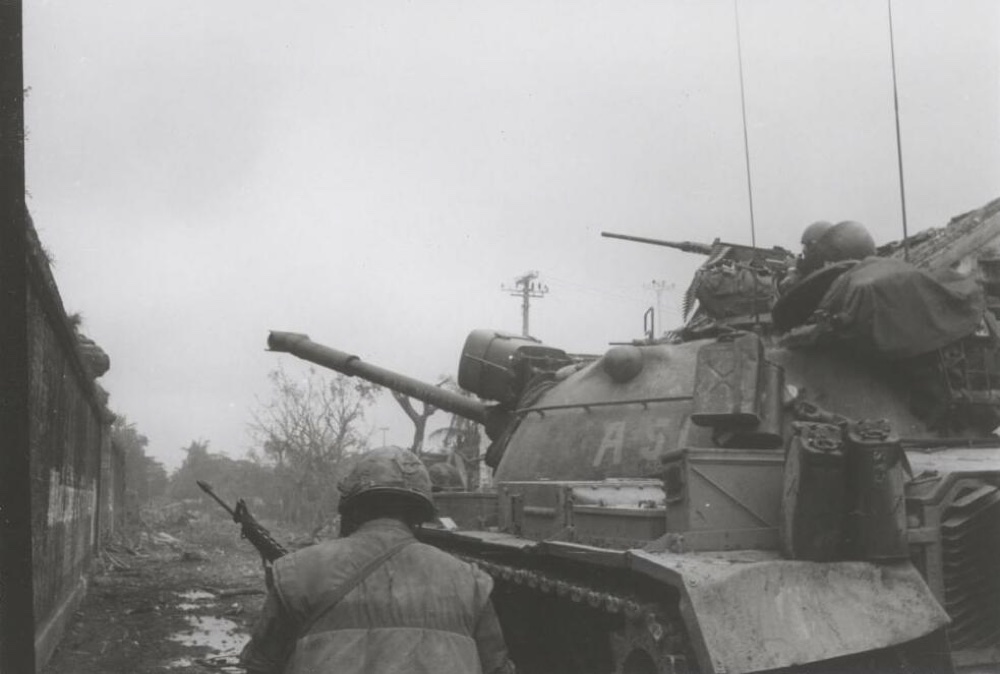
What happened
During the Tet Offensive, North Vietnamese and Viet Cong forces captured much of Hue, including most of the old Citadel. U.S. Marines, U.S. Army units, and South Vietnamese forces fought for weeks to retake the city in some of the war's most intense urban combat. The Citadel was largely cleared by late February, with fighting around Hue continuing into early March. Hundreds of U.S. and South Vietnamese troops were killed and Communist losses were in the thousands. Afterward, mass graves revealed that large numbers of civilians and prisoners had been executed during the occupation, although exact totals remain disputed. Hue became a powerful symbol of the gap between optimistic official assessments and the war's reality.
Going Deeper
The executions discovered after the city was retaken became a contested subject during the war itself, when the numbers were used politically by all sides, and scholars have argued since over totals, over who gave the orders, and over how many of the dead were killed in the fighting rather than by execution. The Citadel, a nineteenth-century imperial complex, was wrecked in the recapture and has been under restoration for decades as a UNESCO site, so the physical damage is still legible. The South Vietnamese units that did much of the fighting are close to absent from American accounts, a gap that later scholarship has worked at with Vietnamese sources on both sides. Hue also changed the reporting of the war, since correspondents were present throughout and what they filed did not match what was being said in Saigon and Washington.
Three new battles every day. Tap the globe where each one happened.
Play today's battles