What happened
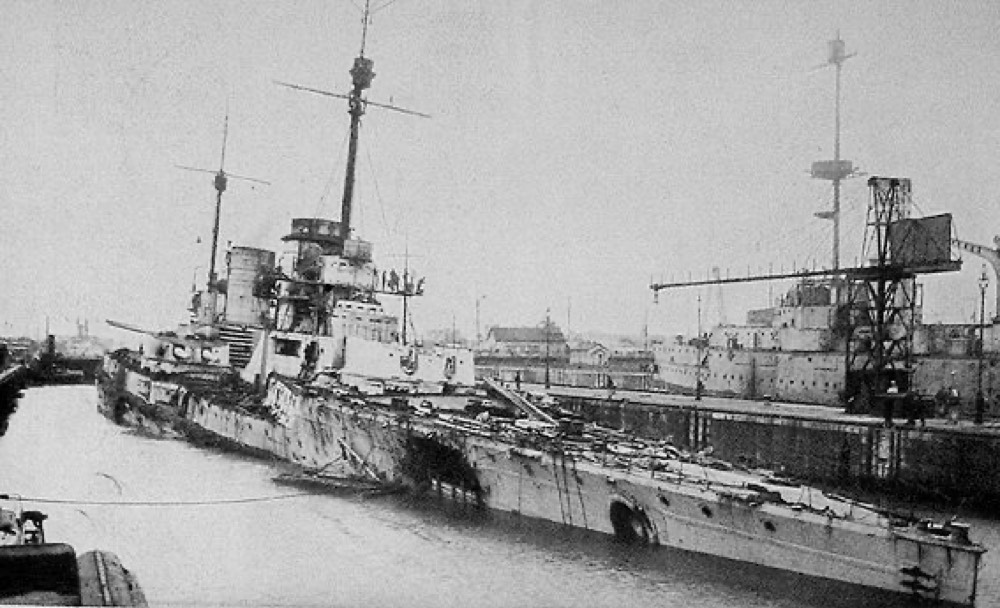
On May 31, 1916, two navies that had spent two years avoiding each other collided in the North Sea, and within half an hour two British battlecruisers had blown up with almost every man aboard, a third following in the evening. Beatty's scouting force was drawn south toward the German main fleet, then turned and drew the Germans north onto Jellicoe's battle line, which twice crossed the German T and forced Scheer into an emergency turn away behind smoke and destroyer attacks. Darkness and poor British signaling let the German fleet slip home through the rear of the British formation overnight. Germany had sunk more tonnage and claimed victory; the British fleet was ready for sea again within days and the blockade never lifted. The High Seas Fleet did not seriously challenge it again, and the crews that mutinied in 1918 had spent two years in harbour.
Going Deeper
Jutland produced a British naval controversy that outlasted everyone involved, with Beatty's supporters and Jellicoe's fighting through official narratives in the 1920s that were edited, suppressed, and reissued in ways later historians could document and did. The catastrophic loss of the battlecruisers was long blamed on thin deck armour, and Nicholas Lambert and others have made a strong case that unsafe cordite handling, with flash doors propped open and charges stacked in the turrets to raise rate of fire, was likely the decisive factor, which shifts the fault from ship design to a doctrine of gunnery speed. British shells that broke up on oblique impact are a second thread, quietly fixed after the battle. Wreck surveys since 2000 have located and filmed most of the ships, now protected war graves, and their damage patterns feed directly back into the argument.
Three new battles every day. Tap the globe where each one happened.
Play today's battles