What happened
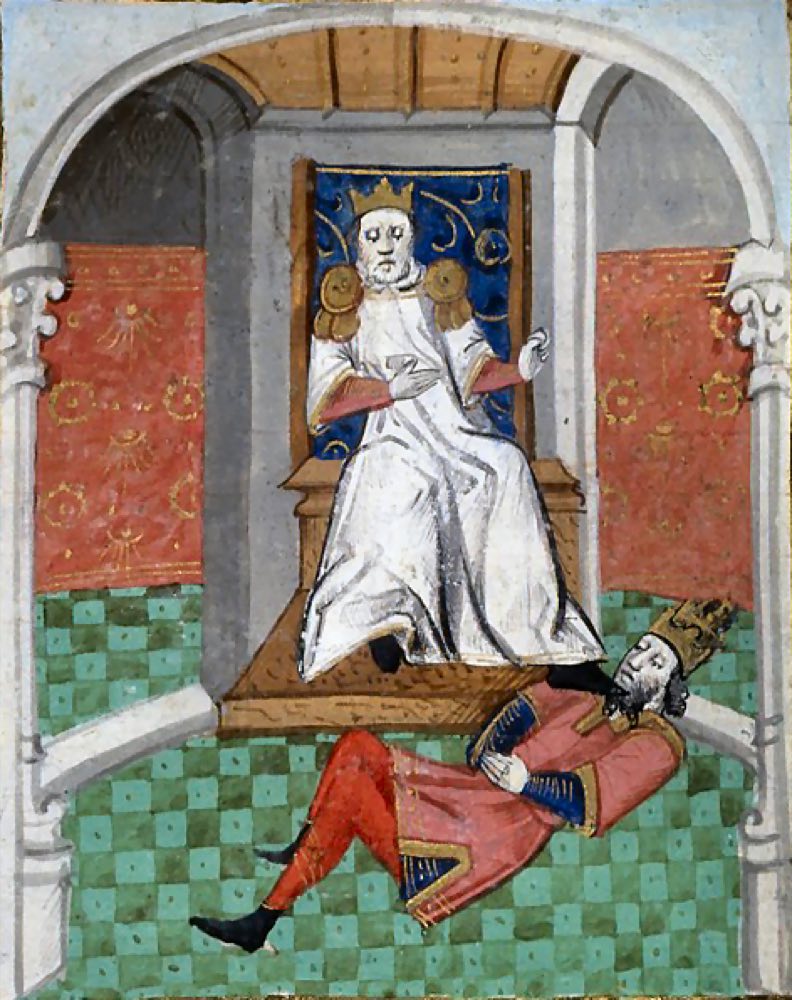
Emperor Romanos IV led a Byzantine army into eastern Anatolia in 1071 and met the Seljuk forces of Sultan Alp Arslan near Manzikert. Seljuk mounted archers harassed the Byzantine army, and the battle turned disastrously during the Byzantine withdrawal when part of the reserve failed to support Romanos and political rivalries worsened the collapse. Romanos was captured and later released after negotiating with Alp Arslan, only to be overthrown and blinded in the ensuing Byzantine civil conflict. Manzikert did not by itself destroy Byzantine control of Anatolia, but the political chaos that followed helped open much of the region to Turkish settlement and conquest.
Going Deeper
Byzantinists have spent fifty years arguing over what Manzikert actually cost, with one tradition treating it as the hinge of Anatolian history and a revisionist line, led largely by French scholarship, holding that the army's losses were survivable and the decade of civil war afterward did the real damage. The sources complicate rather than settle it: Michael Attaleiates was present and hostile to particular factions, later Byzantine writers wrote with the hindsight of an Anatolia already lost, and the Arabic and Persian accounts stage the meeting between captive emperor and sultan as a moral tableau about mercy. In Turkey the date has become foundational, commemorated annually with state ceremonies that have grown steadily larger, so a contested medieval defeat is also current political language. Historians of memory now use 1071 as a case study in how a battle acquires a national birthday centuries after the fact.
Three new battles every day. Tap the globe where each one happened.
Play today's battles