What happened
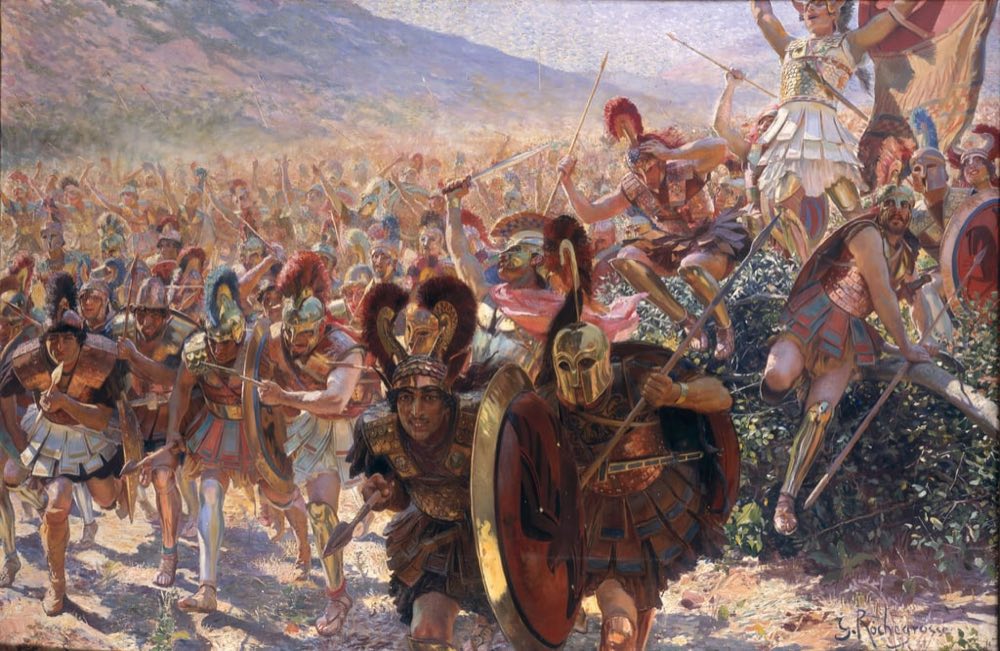
In 490 BC, an Athenian army reinforced by Plataeans confronted a Persian expedition on the plain of Marathon. According to Herodotus, the Greeks advanced rapidly, used a strengthened wing formation, and drove the Persians back toward their ships. Herodotus recorded 192 Athenian dead and 6,400 Persian dead, figures that should be treated as ancient-source claims rather than modern counts. The victory ended that Persian expedition but not the wider conflict; Xerxes returned with a much larger invasion a decade later. The famous story of a messenger running from Marathon to Athens and dying after announcing victory is a later tradition that helped inspire the modern marathon race.
Going Deeper
Marathon's legend problems start with its most famous element: the runner. Herodotus has a courier named Pheidippides running to Sparta before the battle to ask for help - not to Athens after it - and the dying announcer of victory is a later literary invention. Historians debate why the Athenians charged at a run - tactical genius against Persian archery, or later embellishment of something more ordinary - and what the absent Persian cavalry was doing that morning. The battle's meaning was inflated by Athens itself, which built its golden-age identity on Marathon a full decade before the larger invasion it supposedly deterred. The burial mound of the 192 Athenian dead still rises from the plain, one of the few battlefield monuments surviving from antiquity, and excavation confirmed the cremation layer beneath it.
Three new battles every day. Tap the globe where each one happened.
Play today's battles