What happened
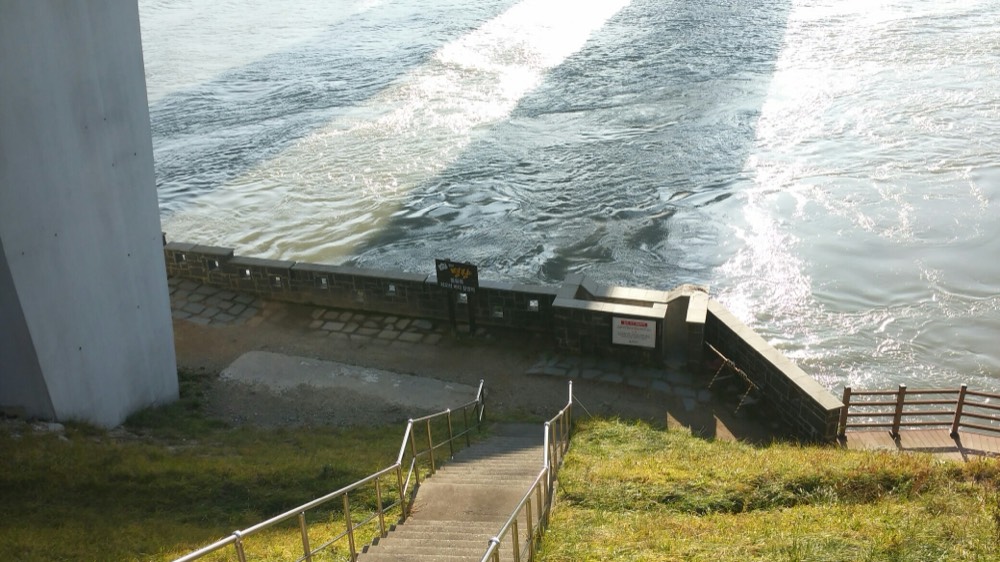
Yi Sun-sin fought this battle with thirteen ships because that was all Korea had left. Removed from command on a political charge, tortured, and demoted to the ranks, he had been reinstated only after his replacement lost nearly the entire navy in a single defeat, and he wrote to a king who had suggested abandoning the sea that twelve ships still remained, and a thirteenth joined him before the battle. He took them into the Uldolmok channel, where the tide runs hard enough to whirl a ship, held the line at the narrows while the current ran against the Japanese, and turned on them when it reversed. Roughly thirty Japanese vessels were destroyed and the invasion's supply route along the west coast was closed. It is generally counted among the most lopsided naval victories on record.
Going Deeper
This is one of the best-documented pre-modern naval campaigns from the winner's side, because Yi kept a war diary and the Korean court kept meticulous records, both of which survive; the difficulty is that the numbers travel to us through a patriotic tradition, and the ratio of thirteen to a hundred and thirty is debated in its details even where the outcome is not. The much-loved story of an iron chain strung across the strait has no contemporary support and is treated as later legend. Tidal engineers and naval historians have modeled the Uldolmok current to test whether the account is physically coherent, and it largely is. Yi's modern standing owes a great deal to deliberate state-building under Park Chung-hee, whose government raised the Gwanghwamun statue in 1968 and pushed him into the schoolbooks, and the 2014 film Roaring Currents, still Korea's highest-attended release, made the battle a mass cultural event again.
Three new battles every day. Tap the globe where each one happened.
Play today's battles