What happened
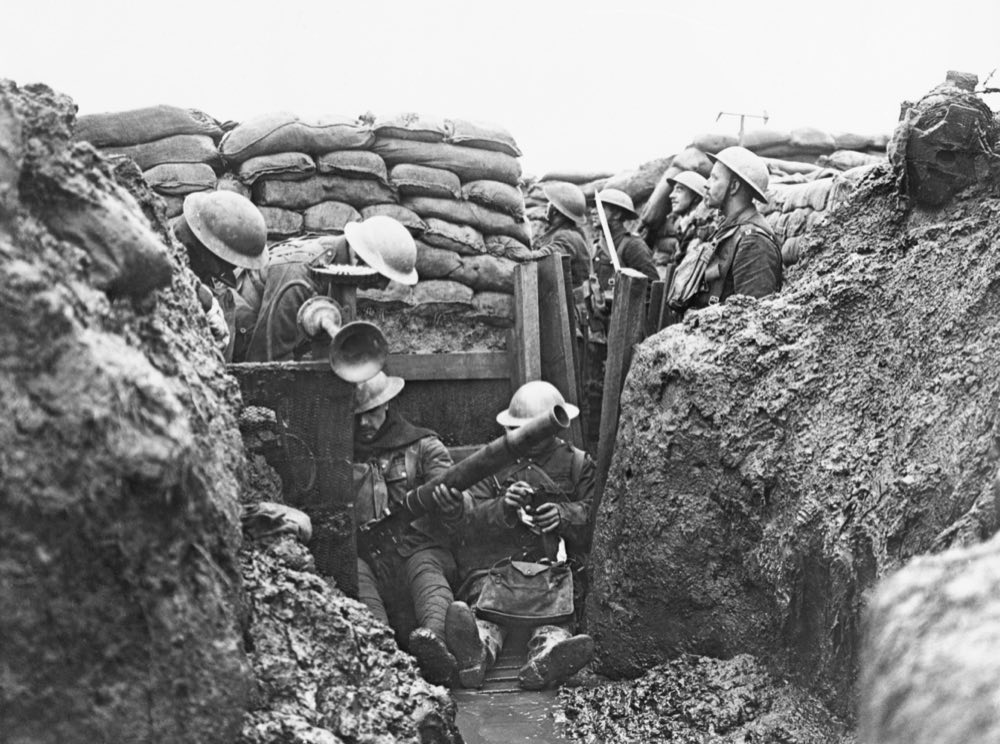
The Allied offensive on the Somme opened on July 1, 1916, after a week-long artillery bombardment failed to destroy many German positions. The British Army suffered about 57,000 casualties on the first day, including more than 19,000 dead, the worst single day in its history. Fighting continued until November across a broad front and cost the opposing armies roughly a million casualties in total. Tanks were used in battle for the first time on the Somme in September. The Allies gained only limited ground, but the battle also imposed severe losses on the German army and cannot be reduced simply to a story of pointless frontal attacks.
Going Deeper
The Somme's first day - the bloodiest in British military history - so dominates memory that historians have spent decades arguing the other 140 days back into view: the battle became a brutal school in which the British army learned the artillery coordination and small-unit tactics that won 1918, a 'learning curve' thesis that remains genuinely contested against the older 'butchers and bunglers' reading of Haig. The famous image of walking-pace lines mown down was real on parts of the front and untrue on others, where units used creeping barrages and rushes. July 1 itself was filmed: the documentary The Battle of the Somme was seen by roughly half the British population within weeks, the first time a home front watched its own war. The Thiepval Memorial lists over 72,000 names of the missing - men with no known grave from this one battlefield.
Three new battles every day. Tap the globe where each one happened.
Play today's battles