What happened
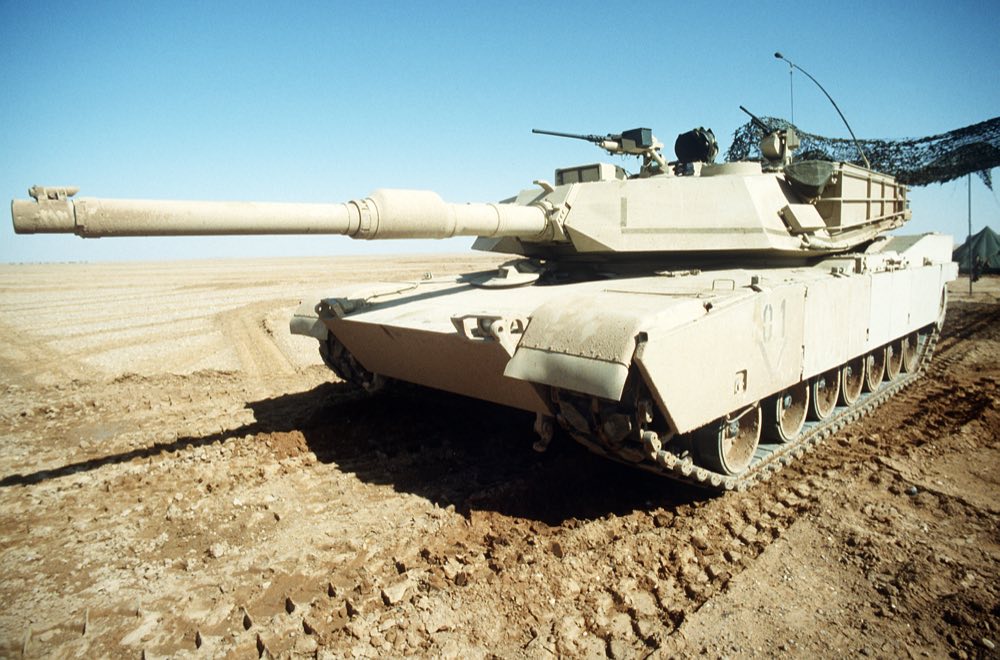
During the Gulf War ground campaign on February 26, 1991, elements of the U.S. 2nd Armored Cavalry Regiment encountered Iraqi Republican Guard forces in poor visibility near the UTM grid line known as 73 Easting. In the best-known action, Eagle Troop under Capt. H.R. McMaster attacked rapidly through Iraqi positions; an Army professional-history account credits its 12 M1A1 tanks with destroying 28 Iraqi tanks, 16 personnel carriers, and 30 trucks in about 23 minutes without U.S. losses in that phase. The wider Battle of 73 Easting involved several troops and squadrons and lasted longer than the famous 23-minute engagement. It became a heavily studied example of U.S. armored doctrine, training, thermal sights, and command tempo.
Going Deeper
This engagement became, for a while, the most precisely reconstructed battle in history, because a project sponsored by the Defense Advanced Research Projects Agency and carried out by the Institute for Defense Analyses turned it into a validated simulation that combined vehicle position data, radio logs and interviews with nearly every American participant into a second-by-second recreation used for training and analysis. That project is also why the action is remembered in such detail while the Iraqi side is essentially absent, since no equivalent record was ever taken from the crews on the receiving end. McMaster, who commanded the lead troop, later wrote a study of how the Joint Chiefs failed to challenge civilian leadership over Vietnam and eventually served as a national security adviser, which has kept the engagement attached to arguments larger than itself. The wider question a war ended this quickly left behind was reopened twelve years later.
Three new battles every day. Tap the globe where each one happened.
Play today's battles