What happened
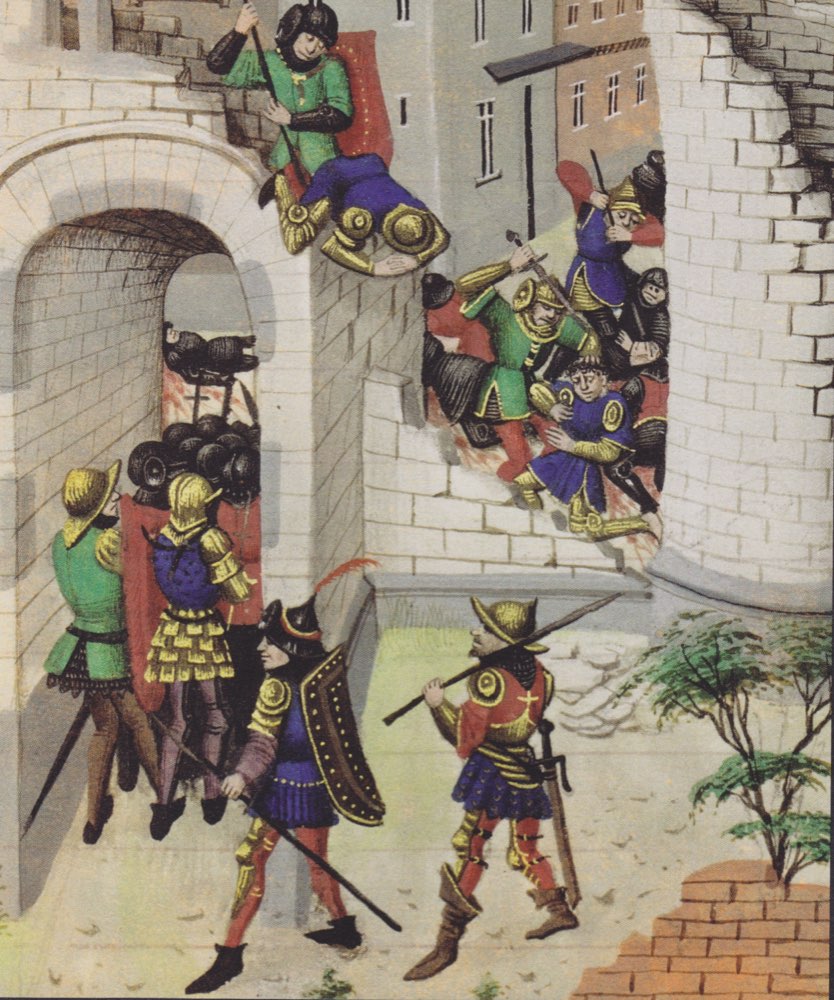
The First Crusade reached Jerusalem in June 1099 with perhaps a fifth of the people who had set out, and took it five weeks later. The besiegers had no timber and almost no water until Genoese ships were dismantled at Jaffa and hauled inland as siege towers, one of which reached the northern wall on July 15. What followed was a massacre of the city's Muslim and Jewish inhabitants that appalled even some who wrote in the crusaders' defense. Godfrey of Bouillon took charge of the city and refused the title of king, and the Latin Kingdom of Jerusalem held the city until Saladin took it in 1187 and survived on the coast until 1291. The accounts of the killing, on every side, have been repeated and enlarged for nine centuries.
Going Deeper
Jerusalem is unusually well covered from three directions, by Latin narratives such as the Gesta Francorum, by Arabic writers including Ibn al-Athir a century later, and by letters from the Cairo Geniza in which Jewish communities discuss ransoming captives and redeeming books taken from the city. Those sources do not agree on the scale of the killing, and the enormous figures repeated in later Muslim and Christian writing alike are rejected by modern historians, who also read the image of blood reaching the horses' bridles as a borrowing from Revelation rather than a description. The event has a long political afterlife, invoked by Islamist movements as the founding crime and by online movements in the West as a slogan, which has put medievalists in the unusual position of correcting both. Papal statements around the millennium expressed regret for violence done in Christ's name without naming the siege, a carefulness that itself generated commentary.
Three new battles every day. Tap the globe where each one happened.
Play today's battles