What happened
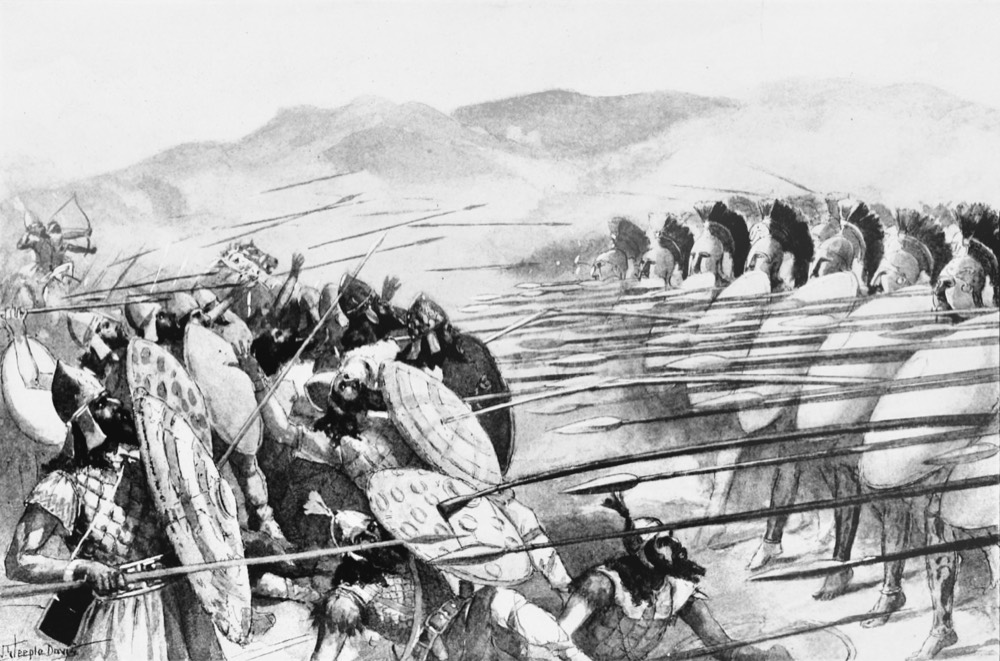
The year after Salamis, the Persian army left in Greece under Mardonius met the largest allied Greek force ever put in the field, and for weeks neither side would attack on ground that favored the other. When the Greeks tried to reposition at night the movement came apart, and Mardonius attacked what looked like an army in flight. The Spartans and Tegeans held, Mardonius was killed, and the Persian force broke and was cut down at its fortified camp. Organized Persian power in mainland Greece ended that afternoon. Tradition placed the naval victory at Mycale on the same day, which is how the invasion came to have a tidy ending.
Going Deeper
Plataea decided the war and lost the memory contest anyway, and the usual explanation is that the tradition which survived was shaped by Athenian drama and oratory, where a land battle won under Spartan command fit badly with a story about ships, walls and democratic sailors. One contemporary document does survive, and it is remarkable: the Serpent Column, a bronze tripod support inscribed with the names of thirty-one Greek states that fought the Persians, dedicated at Delphi and later carried to Constantinople, where its coils still stand in the old hippodrome in Istanbul. The Oath of Plataea, quoted by fourth-century orators and preserved on a stone from Acharnae, is argued over as either a genuine record or a later patriotic composition. The battle has been revived in modern Greek commemoration and occasionally in arguments about European origins, which classicists treat with the same caution they apply to Salamis.
Three new battles every day. Tap the globe where each one happened.
Play today's battles